The real reason you are not changing
Only about one in seven high risk heart patients follow through on the changes that would save their life. The problem is not information. It is identity.
I came across a number I cannot stop thinking about.
When high risk heart patients are told they will die if they do not change their diet, their exercise, their medication, only about one in seven actually follow through.
Six out of seven do not.
That is not a made up figure. It shows up again and again in the research on treatment adherence.
The evidence is clear about what is not causing it.
It is not about intelligence. It is not about access to information. It is not even about the desire to live.
So what are we missing?
Harvard psychologist Robert Kegan has a provocative answer. In Immunity to Change, he argues that when we do not make the changes we want, or need, it is not weakness. It is a competing commitment. A hidden one. One that is working hard, underneath the surface, to keep things exactly as they are.
He tells the story of a man in his late fifties prescribed daily medication to prevent a stroke or a heart attack. When asked how compliant he would be, the man said one hundred percent. The question almost offended him.
A year later he had taken it about half the time. Asked why, his first answer was "I don't know." Then: "I got busy."
Kegan asked a different question. What would it mean about you if you took this medication every day?
That is when things shifted.
Taking the medication meant he was old. Like his father. No longer in his prime. Not the strong, capable man he believed himself to be.
The issue was not information. It was not motivation. It was not even fear of dying. It was identity.
We are not resisting the new behavior. We are protecting an old story.
This is what Kegan calls immunity to change. And that story is running the show whether we know it or not.
So instead of asking why am I not changing, which usually produces "I don't know" or a list of excuses, we need a better question.
What is my current behavior preserving?
Because it is always preserving something.
I will go first.
A few years ago I had to get honest with myself about why I kept avoiding exercising regularly. I told myself it was about flexibility. Going to the gym when I had the time and skipping it when I did not.
But when I asked myself Kegan's question, the answer surprised me.
Committing to a trainer. To a schedule. To showing up on someone else's terms. That meant admitting I needed structure. And I have always seen myself as someone who does not.
I am self directed. Free spirited. Not constrained.
Growing up, I did not feel like I had a lot of choices. So somewhere along the way I made a quiet vow to myself. I would always give myself options. I would never lock myself in.
A fitness commitment felt like a lock.
My competing commitment was not laziness. It was protecting the sense of autonomy I had been guarding since childhood without even knowing it.
The question shifted from why will I not commit, to who do I want to be now. That is a much more interesting question to answer.
So the next time you find yourself wondering why you keep not doing the thing you say you want to do, do not ask what is wrong with you.
Ask instead: what about that change feels threatening to who you believe yourself to be? What are you holding onto that you have not named yet?
They are not comfortable questions. They are not supposed to be.
But they are the ones that reach past the excuses and make real change possible.
Until next time,
Margalit
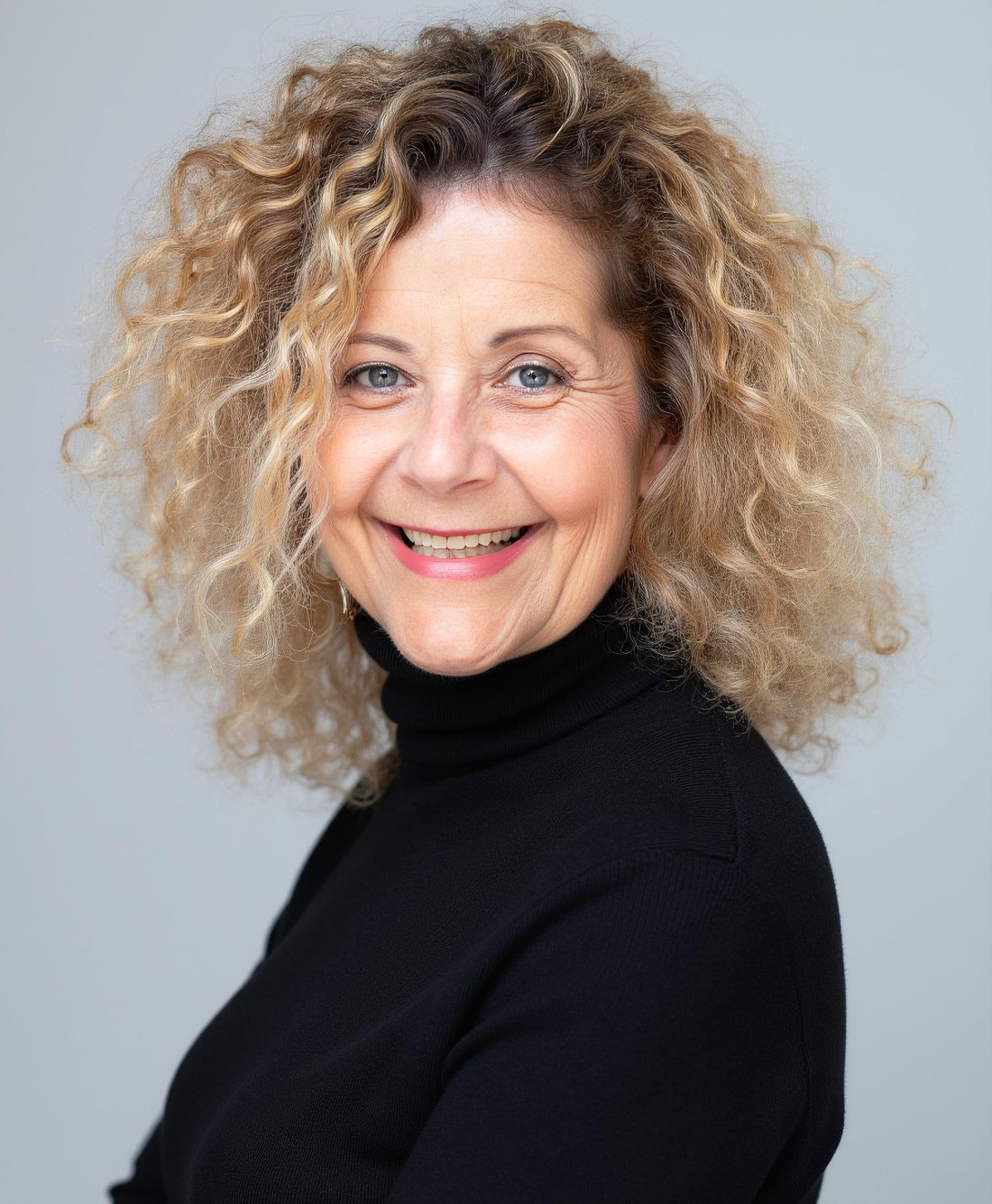
Curiosity and deep listening are my superpowers, gifts I inherited from my mother, an entrepreneur and Holocaust survivor who taught me that anything is possible when we challenge our limiting beliefs.
I believe our state of mind is an invisible line on our P&L statement, directly impacting our decision making, leadership, and bottom line results.
As an entrepreneur who grew and sold a seven figure wholesale linen business, I understand firsthand the challenges of building a company and changing course.
Today, I partner with founders, CEOs, and senior executives who are ready to raise their level of leadership while scaling their businesses. I serve as your trusted advisor and thought partner. Together, we will challenge limiting beliefs, improve resilience under pressure, and build the mental agility needed to lead with confidence, clarity, and purpose.