

Coaching
Coaching for founders and CEOs
Private, confidential work on the decisions actually in front of you. New to coaching? Keep reading. What follows covers what coaching is, who it’s for, and exactly what happens in a session.
Start here
What coaching is
Coaching is a thought-provoking, structured process that helps you make better decisions using what you already know.
I am an ICF trained professional coach. The ICF is the body that certifies professional coaches worldwide.
In plain language: you hold the expertise. You know your business, your people and your numbers better than any outsider ever will. The coach holds three other things. The questions, so the thinking goes somewhere you would not have taken it alone. The structure, so the same hour happens every week instead of whenever the calendar allows. And the accountability, so what you said you would do gets checked, out loud, by a person who remembers.
Nobody hands you an answer. That sounds like less. In practice it is the reason the results hold, because the decision was yours from the start and you can make the next one on your own.

Coaching
You bring the situation. I bring the questions, a structure for the work, and a record of what you committed to last time. You leave with your own decision, made faster and with less noise around it.
Not consulting
A consultant is hired for their answer and hands you a plan. Useful, and sometimes exactly right. But the plan belongs to them, and the next hundred decisions still land on you.
Not therapy
Therapy is clinical care and works largely with the past. Coaching is forward facing and performance focused. If therapy is the right support, I say so and refer out.
Not mentoring
A mentor gives you their map, drawn from their own company in their own decade. Coaching helps you draw yours, which matters when your situation does not look like anyone else's.
Margalitism
Your team needs you confident. Your investors need you optimistic. Who do you get to be honest with?
Is this you
Six signs a person is ready for coaching
- You are the final decision on almost everything, and the queue outside your door keeps getting longer.
- There is a decision you have been carrying for months, and you keep finding reasonable sounding reasons to wait.
- You are steady in front of your team and running hot in private.
- You have outgrown the people who used to advise you, or you quietly stopped asking them.
- Something is working on paper and you cannot say out loud that you no longer want it.
- You are willing to be asked questions you would rather not answer.
The last one matters most. Everything else is circumstance. That one is a choice.
Who this is not for
Worth saying plainly, because the wrong fit wastes your money and my time.
If you want a done for you plan delivered on a slide, hire a consultant. That is a real service and it is not this one.
If you are in clinical distress, a licensed therapist is the right person. I will say so on the first call and point you toward proper care rather than take you on.
And if your boss booked this and you do not want to be there, coaching will not work. The whole thing runs on your willingness to look at your own thinking.
Format one
One-to-one executive coaching
Private coaching for the person at the top, built around the decisions in front of you rather than a curriculum.
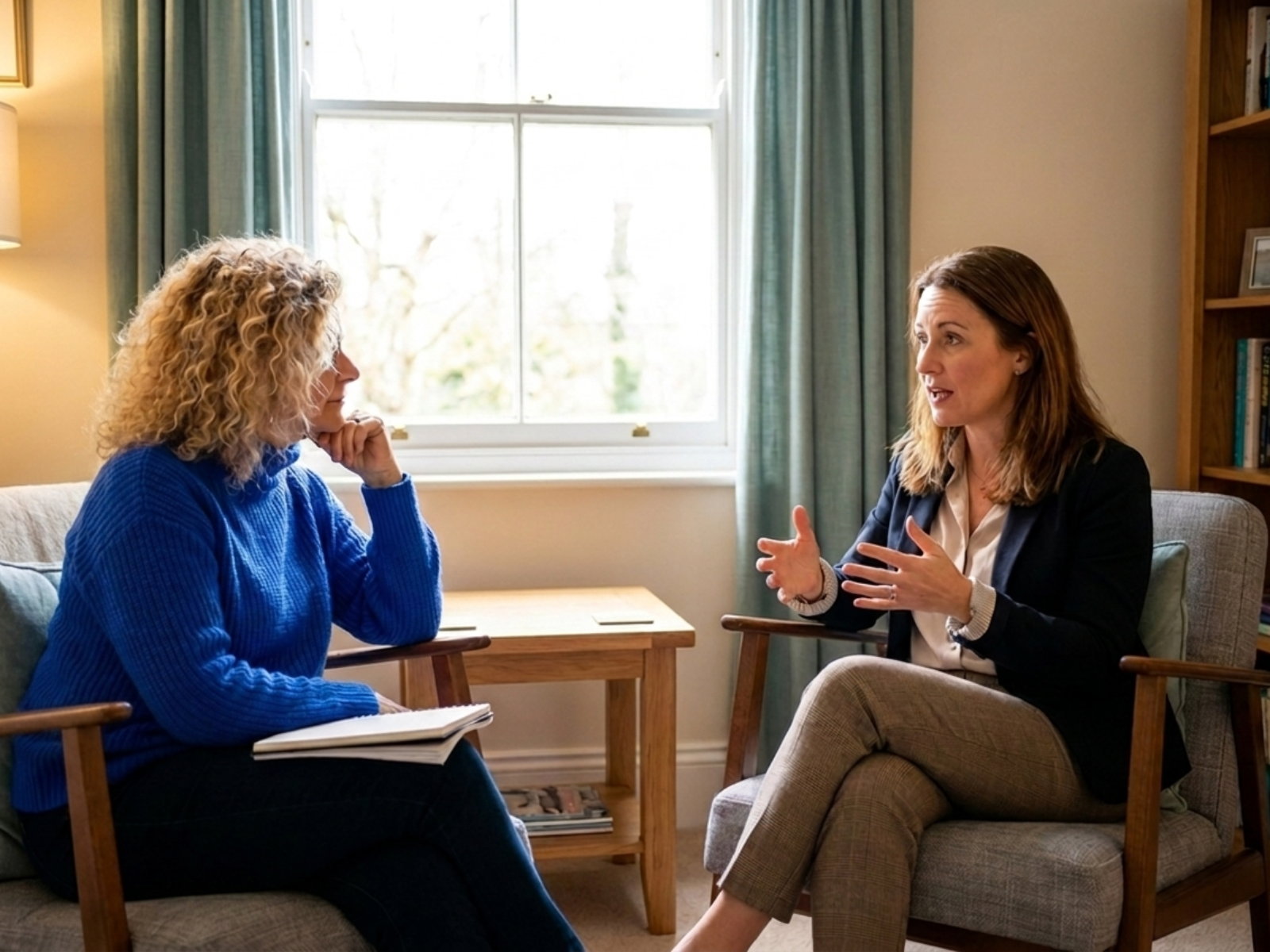
Sessions run about an hour. In person in Los Angeles, or by video if that is simpler, and most clients end up using both. Confidentiality is absolute. What you say in a session stays in the session, including from the person who pays the invoice if that is not you.
A typical engagement runs several months, because changing how you decide takes reps, not insight. One good session produces a good week. A run of sessions produces a different default. That said, you can stop any time, for any reason, without a conversation about it.
The curiosity call
Thirty minutes, complimentary, no pitch. You bring the thing you have been circling. I ask about it. By the end we both know whether there is work here.
Chemistry and goals
A longer first session. History, pressure points, and what you actually want to be different in six months, written down in your words so it can be checked later.
The regular cadence
Private sessions on a set rhythm, with work between them. The between part is where the change happens. Usually one conversation you have avoided, or one thing you stop doing.
The review point
You stop and look at the goals from session one. What moved, what did not, what you want next. Continue, change the focus, or finish. All three are fine answers.
Fees are discussed on the call. Every engagement is scoped to the work, so there is no menu price.

Client words
What clients say afterwards
Named clients, in their own words, gathered in one place.
Margalitism
Slow down to speed up.